

Peak Performance: 7 Seasonal Car Care Tips for High-End Vehicles
Luxury automobiles require careful attention because thousands of parts work together within narrow tolerances. Weather changes those working conditions, even when nothing appears wrong from the driver’s seat.
Maintenance must remain a priority regardless of daily usage patterns. Time passes even when mileage stays low. Temperatures swing, and roads deteriorate.
The seven tips that I share below identify what deserves review throughout the year.
Assess Brakes and Suspension After Winter
Cold-weather roads change fast. Often, pavement breaks down. Inclement weather creates sharp edges and potholes along familiar routes. Weeks later, your driver may feel the impact. The steering wheel shifts slightly off center, or the car develops a shake that was not there before.
Either change is worth noting. Speed matters, too. A vibration at highway speed tells a technician something different from a clunk heard only over bumps.
The brake response needs its own comparison. You should not dismiss a soft pedal feel or long stopping distance. Tires, alignment, brakes, and suspension components share symptoms. The source is difficult to identify from the driver’s seat. Set a spring appointment for a proper inspection.
Read: What a Salary Sacrifice Car Scheme Actually Means for Your Take-Home Pay
Check Tires as Temperatures Change
For every 10-degree (Fahrenheit) drop in ambient temperature, your tires lose roughly one PSI of pressure. That shift impacts handling. I recommend keeping an eye out for uneven inner-edge wear, which is common on high-end sports cars set up with aggressive factory camber.
Federal safety guidance recommends inspecting tires every month and before long trips.
When planning vacations, drivers should:
- Check tire pressure
- Inspect tread and sidewalls
- Address wear patterns
A staggered setup uses different sizes at the front and rear. This rules out a standard front-to-rear rotation. The owner’s manual will confirm the approved pattern.
Tire type also depends on your local weather. Winter tires provide better traction than All-Season tires in deep snow. Summer tires are not designed for freezing temperatures. In fact, summer-performance compounds turn brittle when temperatures drop below 45°F, regardless of whether there’s snow on the ground.
Prepare the Cooling System for Summer Heat
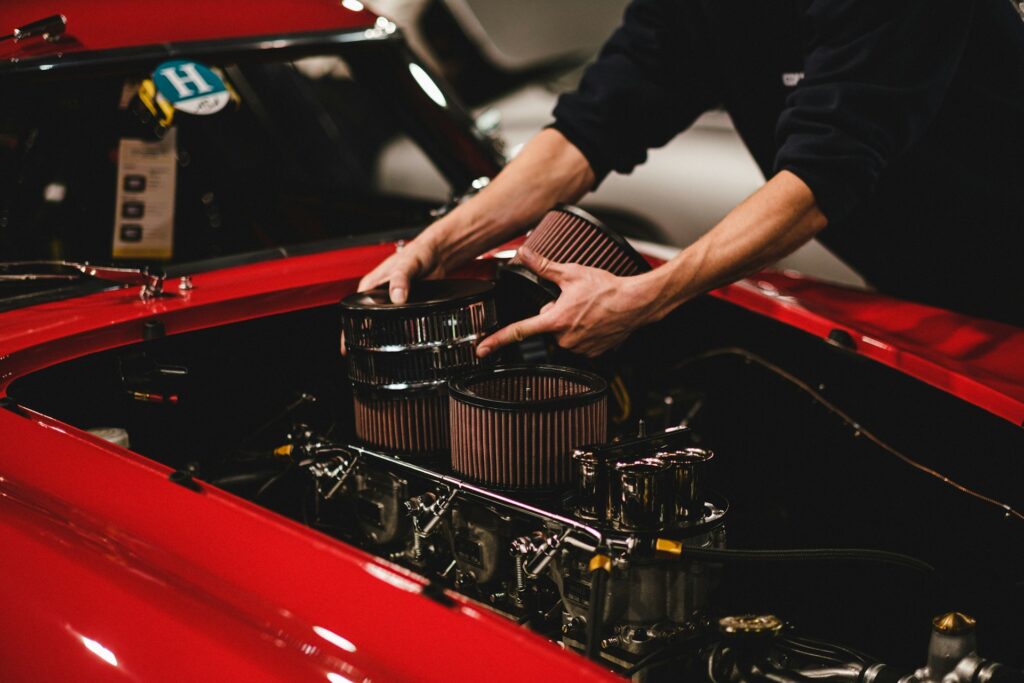
Summer heat tests your vehicle’s cooling system’s limits. A temperature gauge that starts climbing deserves attention, even if the reading falls once the vehicle begins moving. A puddle under the car is obvious.
On the other hand, dried residue around a reservoir or connection is easier to miss. I insist that a proper hose check involves touch as well as sight. You should feel the radiator hoses when the engine is cool (so you don’t burn your fingers). If they feel spongy or swollen, then it’s time to get them replaced. Up front, look for leaves and road debris lodged behind the grille, since those can reduce airflow to the radiator and the engine compartment.
Cabin air conditioning checks belong in the same service appointment. Although weak airflow or warm air doesn’t prove that there’s an engine-cooling problem, it can indicate one. Ultimately, A/C issues and engine cooling problems each require their own diagnosis. The manufacturer’s service schedule determines when coolant testing or replacement is due.
Test the Battery Ahead of Seasonal Extremes
High temperatures accelerate chemical activity and internal corrosion inside a conventional 12-volt battery. During cold weather, the power available for starting is diminished. Effects may appear during different seasons, which makes two testing windows useful.
AAA recommends a check before and after summer. A slow start, corroded terminals, or an electrical warning deserve attention between appointments. Long periods without driving also allow the battery’s charge to weaken.
Hybrid automobiles still rely on a 12-volt unit for many basic functions. The high-voltage traction battery is separate. Handle each according to manufacturer guidance.
Use the Fluids Specified in the Owner’s Manual
Brand alone is a poor guide for high-end vehicles. Similar-looking containers carry different viscosity grades and approval codes. The owner’s manual identifies the required engine oil grade, coolant formula, brake fluid classification, and other specifications.
If a product fails to meet the required approval, a similar color or description is not enough. Climate adds another consideration. Washer fluid needs a freeze rating suited to the lowest local temperatures before winter arrives.
Low annual mileage does not erase time-based service. When the manufacturer lists an interval in months or years, the calendar still dictates when an inspection or replacement is due.
Remove Seasonal Buildup Beyond the Paint
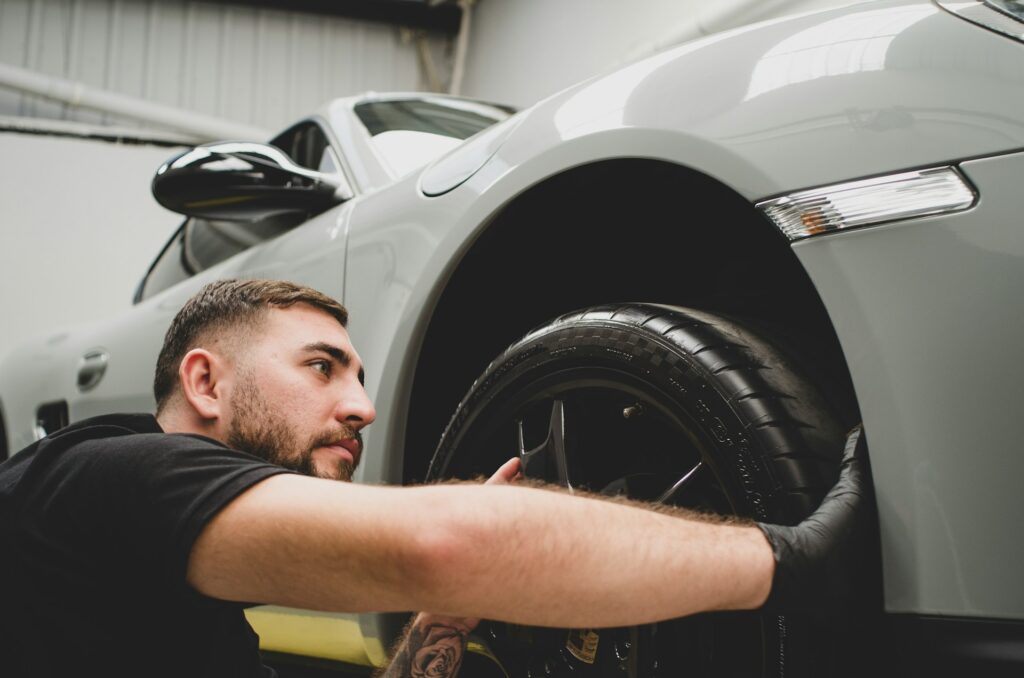
Road grime settles where a quick wash never reaches. Salt and brine stay lodged around the lower body and wheel openings long after the visible panels look clean.
A post-winter wash should include:
- Undercarriage and wheel openings
- Cameras, sensors, and lights
- Doorjambs and drainage channels
It’s important to use the right cleaning products for each surface. Matte finishes, coated wheels, and protective films can all have different care requirements, so check with the vehicle or product manufacturer to find out which cleaners and tools are best suited for the surface.
Monitor Vehicle Feel After Each Service
I strongly recommend asking for explanations after any recalibration work is done. Your first drive home from the shop should provide a useful point of comparison. Steering response, pedal travel, power delivery, and dashboard messages should match what you know as normal for your vehicle.
If you notice a new noise or warning light, return to the shop as soon as possible. During your final walkaround, be sure to check the hood and trunk lift supports, too. If any panel sags or won’t stay open, it could be a sign that the gas springs are wearing out.
For BMW owners, instructions for replacing BMW gas struts explain the basic procedure and help clarify whether professional assistance is appropriate. Maintenance works best with a timely schedule. Be proactive to prevent major issues in the future.